
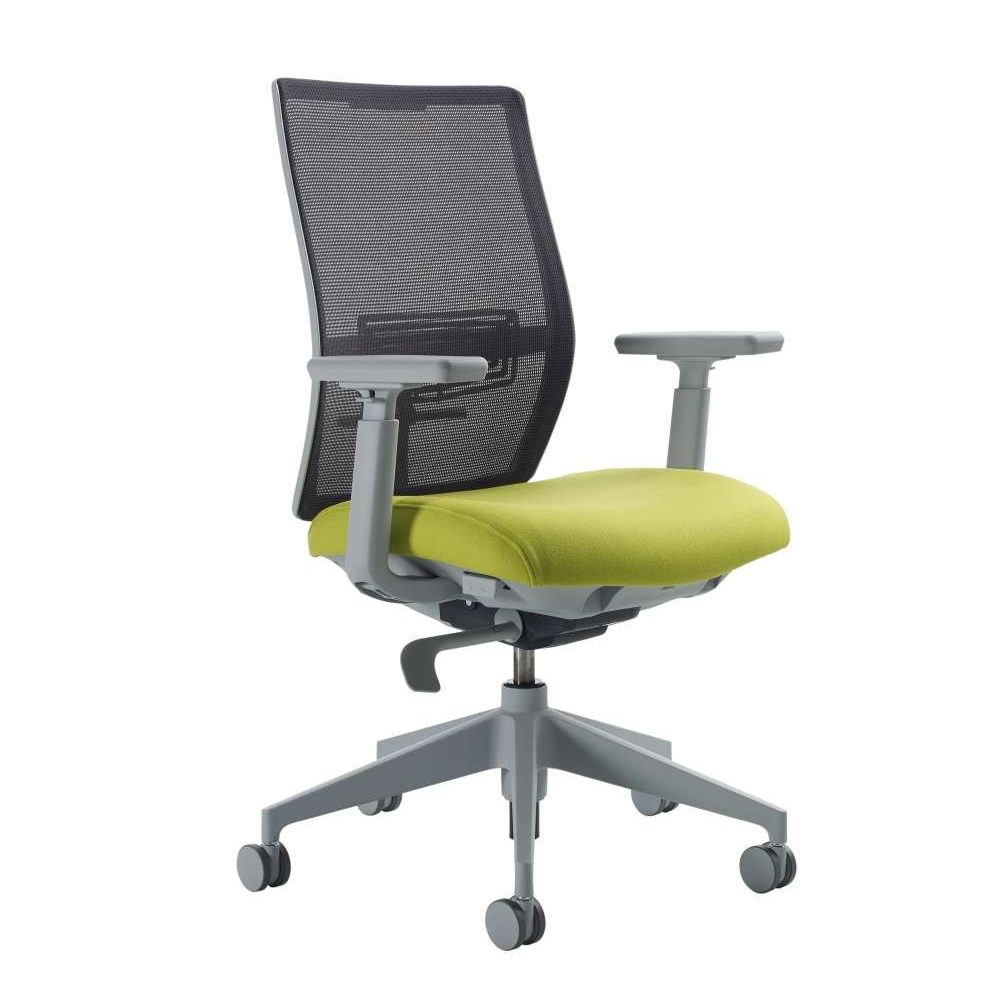
Yes, and it is easier to justify than most owners think. When people sit all day in a chair that does not fit them, their backs, necks, and wrists pay for it, and so does their focus. Our owner, Andy Draveck, sees it every day: "Ergonomics is a huge issue affecting people's health and productivity. The office should provide ergonomic items to allow employees to put forth their best efforts, which in turn boosts the bottom line." That is the whole case. You are not buying a perk. You are removing the daily aches and fidgeting that quietly pull people off their work.
Here is how to think about the spend, what actually earns its place, and how to prioritize when the budget only stretches so far.
Why a bad chair costs more than a good one
The cost of poor ergonomics does not show up on an invoice, so it is easy to ignore. It shows up in the afternoon slump, the person who shifts and stretches every ten minutes, the sick days for back and neck pain, and the good employee who leaves partly because the workday hurts. Musculoskeletal complaints, the aches in the back, neck, shoulders, and wrists, are among the most common reasons office workers lose comfortable, productive hours.
Set the numbers against a chair. A quality task chair is a one-time purchase that lasts many years and often carries a long warranty. Measured against even a few lost hours of focus a week across a team, or one avoidable injury claim, it pays for itself and keeps paying. That is what Andy means by boosting the bottom line. Comfortable people at desks that fit them simply get more done, and they stay.
What actually earns its place in the budget
Ergonomics has a reputation for gimmicks, so spend where the payoff is real. In order of impact for most offices:
- A properly adjustable task chair. This is the single highest-value item. Look for seat height, seat depth, adjustable armrests, and real lumbar support, so the chair fits the person rather than the person adapting to the chair. One good chair beats three novelty ones.
- A height-adjustable desk, or a sit-stand riser. Letting people move between sitting and standing through the day takes pressure off the back and keeps energy up. A full sit-stand desk is ideal; a riser on an existing desk is a lower-cost way to get most of the benefit.
- Monitor height and a keyboard setup that keeps wrists neutral. The screen top near eye level and forearms roughly level cost very little to fix with an arm or a riser, and they head off a lot of neck and wrist strain.
- A footrest or a keyboard tray where a desk cannot go low enough. Small pieces that finish the fit for people the standard setup does not suit.
Notice what is not at the top: the trendy stuff. A well-fitted chair and the ability to stand up beat a wobble stool or a treadmill desk that ends up parked in a corner.
"They helped us immensely with finding quality furniture & cubicles that fit our budget and needs."
Joseph Pecoraro
Fit matters more than price
An expensive chair set up wrong is no better than a cheap one. Ergonomics is about the fit between the person and the furniture, so the same chair needs to adjust to a range of bodies, and people need to know how to adjust it. Two things make the investment actually land:
- Buy for adjustability over brand name. A mid-range chair that adjusts to the person often serves a team better than a premium one locked to a single build.
- Show people how to set it up. A quick walk-through of seat height, depth, armrests, and lumbar, plus where the monitor should sit, turns furniture into results. Most people never touch the levers on a chair they were handed.
This is where buying from someone who fits the chair to your team beats ordering boxes online. What you are after is people sitting correctly, which good furniture alone does not guarantee.
How to prioritize when the budget is tight
Few offices re-equip everyone at once, and you do not have to. A sensible order of operations:
- Start with the people who sit the most and hurt the most. Full-time desk staff and anyone already complaining of back or wrist pain get the good chairs first.
- Add sit-stand for the heaviest desk users next. The people at a screen eight hours a day get the most out of being able to stand.
- Fix the cheap, high-impact items everywhere. Monitor arms and keyboard trays cost little and quietly prevent strain across the whole floor.
- Standardize as you replace. Settling on one or two chair models the whole office can adjust keeps things consistent and makes reordering and getting parts simple down the road.
Phased like this, ergonomics becomes a manageable line item you improve over a year or two, not a single daunting bill.
Outfitting your team with Rochester Office Interiors
Getting this right is what a furniture dealer is for. Rochester Office Interiors supplies and fits office seating and height-adjustable office desks for businesses across Rochester and Western New York, and carries ergonomic chair lines from manufacturers including United Chair, Allseating, and Via Seating, so the recommendation is built around how your people work and what your budget allows rather than a single catalog.
Andy Draveck has worked in office furniture and installation since the early 1990s, and the starting point is his: provide the ergonomic items that let people do their best work, and the health and productivity gains follow. If you are weighing an upgrade, tell us how your team sits and we will recommend the chairs and desks that fit your people and your budget, and where to start if you are phasing it in.
Frequently asked questions
What is the single best ergonomic item to buy first?
A properly adjustable task chair for the people who sit the most. It is the highest-value ergonomic purchase for almost every office: it lasts years, carries a warranty, and directly addresses the back, neck, and shoulder strain that costs the most focus and sick time.
Are standing desks actually worth it, or are they a fad?
The benefit is being able to change posture through the day, not standing all the time. A height-adjustable desk or a sit-stand riser that lets people alternate takes pressure off the back and keeps energy up. Used that way, it earns its place for heavy desk users.
How do I justify the cost of ergonomic furniture to ownership?
Frame it as a productivity and retention investment, not a comfort expense. Poor ergonomics costs money you never see: lost focus, sick days for back and wrist pain, and turnover. A quality chair is a one-time, multi-year purchase that offsets those far more than it costs.